What Is Product Branding? A Complete Guide to Building a Standout Product Identity
In today’s crowded marketplace, even the best product can go unnoticed if it does not stand out. Customers across Saudi Arabia and the wider GCC expect more than functional features. They look for meaning, consistency, and a brand they can trust. This is where product branding becomes a powerful advantage. It transforms your product from “one of many” into “the one customers look for.”
Whether you are launching a new product, scaling an existing line, or strengthening your presence in Saudi Arabia’s fast-growing consumer market, understanding brand identity strategy, brand communication, and brand positioning is essential. This guide breaks down everything you need to know about building a memorable product identity that moves customers and grows market share.
What Is Product Branding?
Product branding is the process of giving a product its own identity, personality, and visual language so that it becomes recognizable and differentiated from competitors. It combines brand identity development, messaging, design, positioning, customer perception, and emotional value.
A product brand is more than a logo or a label. It is how your customers talk about your product when you are not in the room. It shapes how they feel about it, why they choose it, and how loyal they remain over time.
A strong product branding strategy typically includes:
- Clear product values
- A defined customer persona
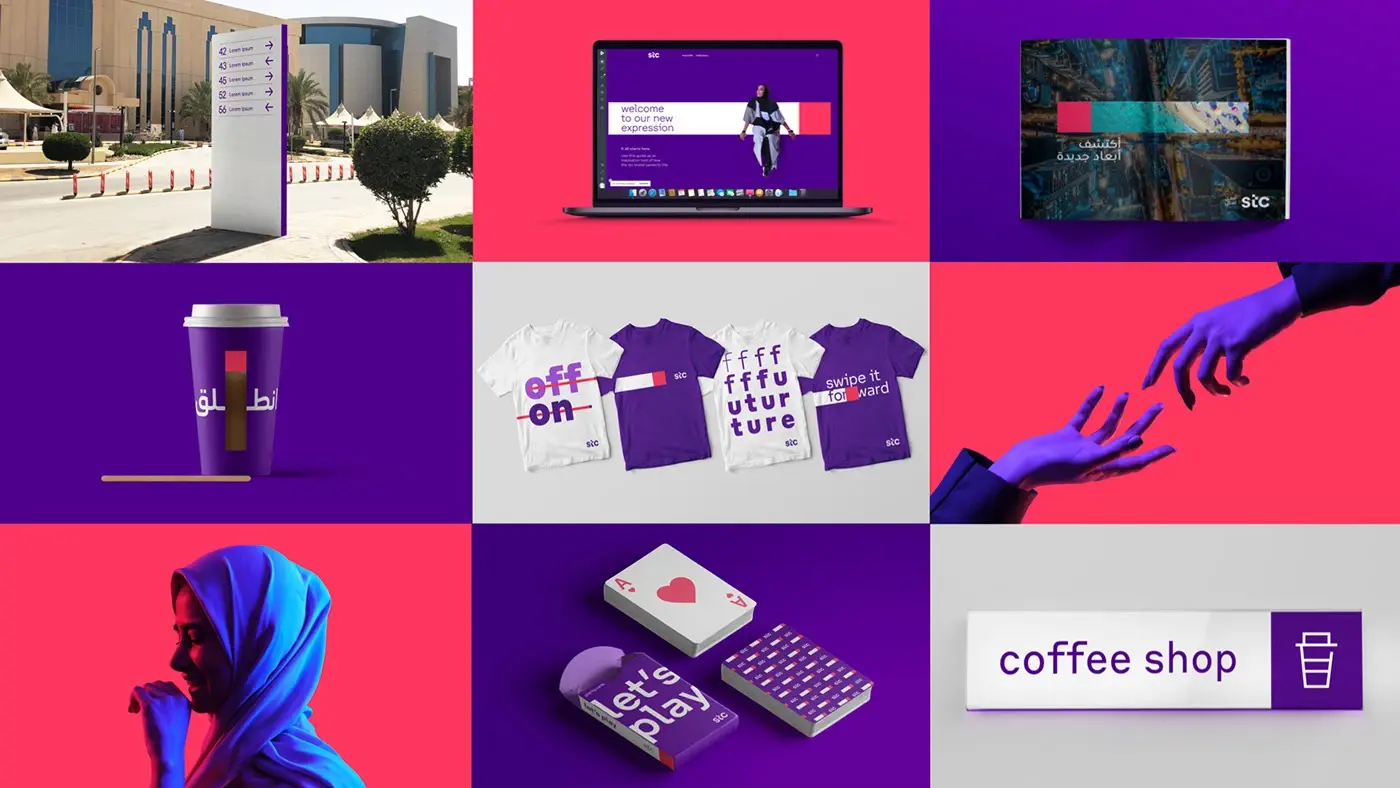
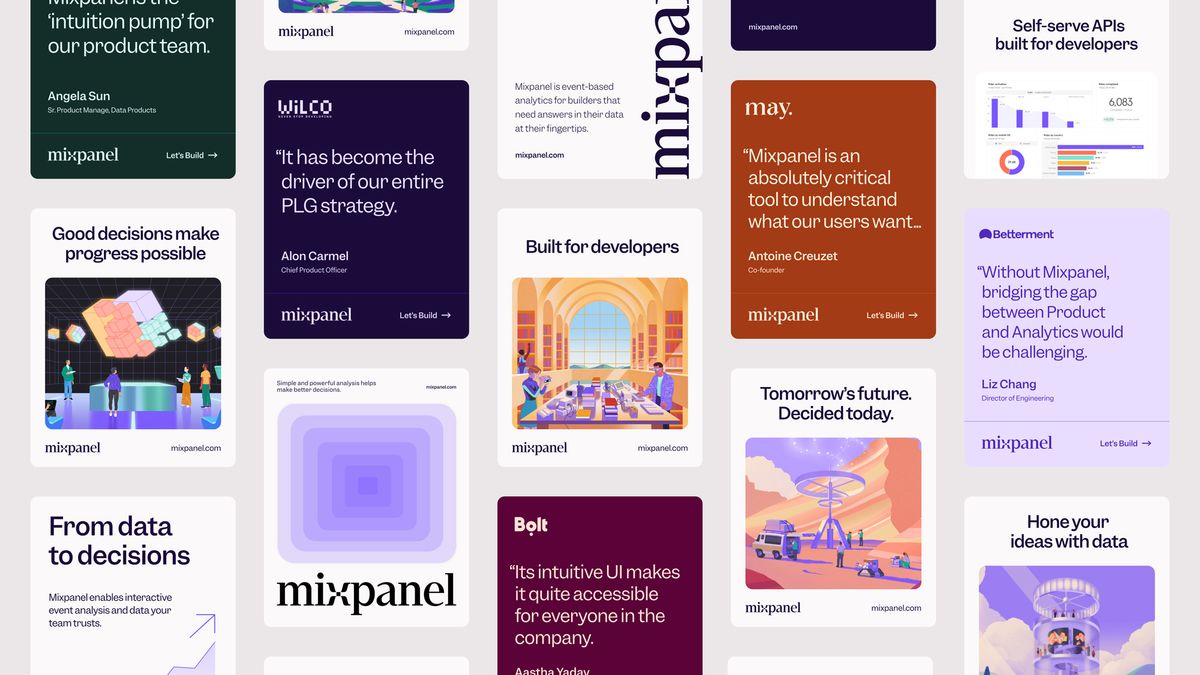
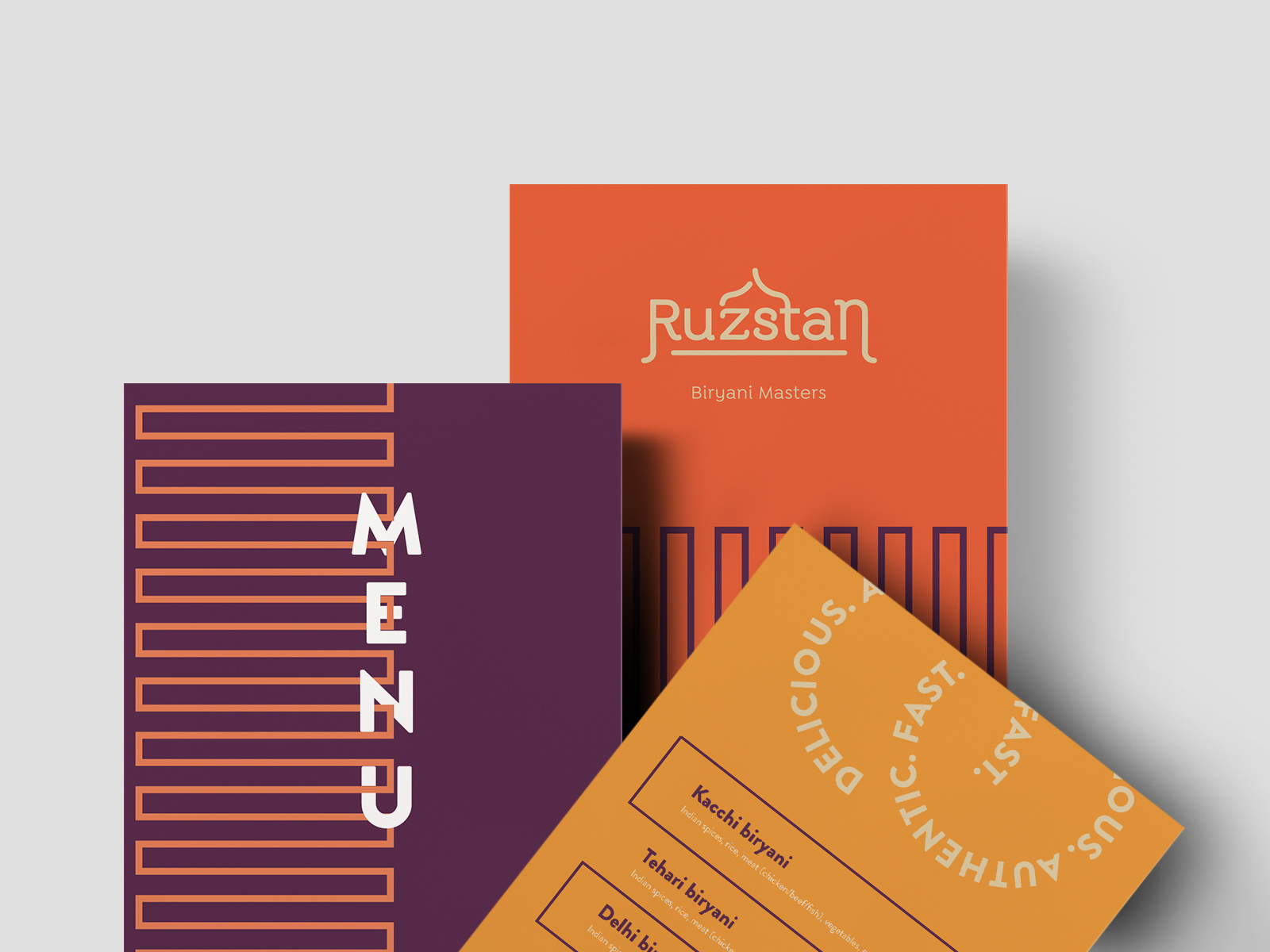
- A unique visual identity (logo, colors, packaging)
- A consistent voice and tone
- A story that connects emotionally
- A positioning strategy that highlights differentiation
This approach allows your product to stand out even in competitive markets like Saudi Arabia, where consumers are increasingly brand-conscious and expect clarity, trustworthiness, and premium experiences.
Why Product Branding Matters in Today’s Market
Saudi Arabia’s retail and e-commerce sectors are growing rapidly, with rising consumer expectations around quality and experience. As the marketplace becomes more competitive, product branding has become a key driver of long-term loyalty and premium pricing.
Here’s why it matters:
1. Product Branding Builds Instant Recognition
A well-branded product is easy to spot, easy to remember, and easy to choose. Recognition reduces friction in the buying journey and helps customers form quick, favorable decisions.
2. It Creates Emotional Connection
Consumers are not driven by logic alone. They choose products that make them feel understood. A strong brand communication strategy helps build emotional trust, especially for products in beauty, food, tech, retail, and lifestyle categories.
3. It Positions Your Product Correctly
A thoughtfully developed brand positioning strategy ensures your product occupies the right space in the customer’s mind, whether that is premium, affordable, luxury, sustainable, or innovative.
4. It Supports Higher Perceived Value
Brands with strong product identity can charge more because customers pay for the overall experience, not just the product itself.
5. It Helps Expand Into New Markets
A memorable product identity makes it easier to scale across regions, especially in GCC markets where brand loyalty plays a significant role in customer behavior.
Elements of an Effective Brand Identity Strategy
A powerful product brand begins with a clear brand identity strategy. This defines what the product stands for and how it should be perceived.
Below are the core components:
1. Brand Purpose and Value Proposition
Why does the product exist? What unique value does it bring?
Your value proposition should clearly communicate what makes the product different, better, or more meaningful to the customer.
2. Brand Personality
Is your product bold? Premium? Friendly? Innovative?
Your personality influences your tone of voice, visual style, and communication strategy.
3. Brand Story
Storytelling builds emotional loyalty. A strong narrative gives customers a reason to care.
A good brand story answers:
- How the product was created
- What problem it solve
- Why it matters to your audience
4. Visual Identity
This includes logo, typography, color palette, packaging, and imagery.
A cohesive visual identity ensures consistency across all customer touchpoints, retail shelves, eCommerce listings, social media, and advertising.
5. Messaging Framework
This includes your tagline, value messages, supporting statements, and tone guidelines. Consistent messaging strengthens memorability and reinforces trust.
By following these elements, companies can achieve strong brand identity development that supports long-term market presence.
Developing a Standout Product Brand: Step-by-Step Approach
Building an effective product brand doesn’t happen by accident. It requires research, strategic development, and consistent execution.
Below is a structured approach used by top brands in the region.
Step 1: Understand Your Audience Deeply
Identify who your customers are, what motivates them, and what problems they want solved.
Questions to explore:
- What are their pain points?
- What values matter to them?
- What alternatives are they currently buying?
- What emotional triggers influence their purchases?
In Saudi Arabia, younger consumers value digital convenience and modern design, while families look for trust, reliability, and quality. Knowing this helps you create a product identity that resonates deeply.
Step 2: Study the Competitive Landscape
Analyze how competitors position their products.
Consider:
- Visual identity styles
- Messaging approaches
- Pricing strategies
- Customer reviews
- Market gaps
A strong brand positioning strategy identifies opportunities where your product can stand out.
Step 3: Define Your Core Brand Identity
This includes your product name, personality, visual direction, messaging, and overall identity system.
Your identity should reflect both customer expectations and market opportunities.
For example:
- A luxury fragrance brand may emphasize elegance, craftsmanship, and exclusivity.
- A tech product may focus on simplicity, speed, and innovation.
Your identity should be unique enough to differentiate but relevant enough to connect with your audience.
Step 4: Build a Cohesive Communication Strategy
Your brand communication strategy determines how the product speaks to customers.
This includes:
- Website content
- Social media presence
- Advertising messages
- Packaging communication
- Product descriptions
- Customer service tone
A consistent communication style builds trust and reinforces brand memory.
Step 5: Design Strong Visual Assets
Invest in premium design because visual impression is often the first touchpoint.
Key areas include:
- Logo
- Color palette
- Packaging
- Labeling
- Typography
- Iconography
- Photography style
In markets like Saudi Arabia, where consumers strongly appreciate quality and aesthetics, great design can significantly elevate product perception.
Step 6: Implement and Maintain Consistency
A brand is only as strong as its consistency.
Use brand guidelines to ensure:
- Consistent packaging
- Consistent tone across marketing
- Uniform product presentation on eCommerce platforms
- Standardized social media communication
Consistency builds credibility and makes the product easier to recognize.
Step 7: Monitor, Adapt, and Evolve
Trends change. Customer needs shift.
Strong brands evolve without losing their identity.
Track:
- Customer feedback
- Sales performance
- Competitor moves
- Design trends
- Cultural shifts in the GCC
Adapt your brand identity strategy to stay relevant while maintaining core values.
The Role of Branding Agencies in Product Identity Development
Many businesses, especially growing brands in the GCC, choose to partner with experts to strengthen product branding. Working with a brand marketing agency can significantly speed up strategy development, design quality, and market alignment.
A full service branding agency can help with:
- Market research
- Brand identity development
- Messaging and copywriting
- Packaging design
- Brand positioning
- Communication strategy
- Digital presence and content creation
This ensures your product brand is aligned across all channels, from retail packaging to online campaigns.
Product Branding in the Saudi Market
Saudi Arabia presents unique opportunities for product brands due to its rapidly evolving consumer landscape. With a young population, high digital adoption, and rising demand for premium experiences, the market is ideal for brands that want to create strong differentiation.
Key factors in the Saudi market:
1. Trust and Authenticity
Consumers value honest communication and real quality. A transparent brand identity builds long-term relationships.
2. Premium Experience
Saudi consumers appreciate high-end visuals, thoughtful packaging, and products that signal status or lifestyle enhancement.
3. Digital Influence
Social media, reviews, influencers, and content marketing strongly influence purchase decisions. A strong communication strategy that integrates digital storytelling is essential.
4. Cultural Relevance
Brands that understand local culture, values, and preferences build deeper loyalty. This is especially important in categories like beauty, food, retail, and fashion.
Conclusion: Build a Product Identity That Lasts
Product branding is no longer optional. It is a strategic necessity. A strong brand identity helps your product stand out, connect emotionally with customers, and thrive in competitive markets like Saudi Arabia and Bahrain. It increases perceived value, accelerates recognition, and creates long-term loyalty.
Whether you are launching a new product or looking to elevate an existing one, focusing on brand identity development, positioning, and communication can transform your market presence.
To execute this effectively, many companies partner with a brand marketing agency or a full service branding agency that can bring expertise, market understanding, and creative excellence to the table.
A standout product brand is one that customers remember, trust, and return to, and with the right strategy, yours can be one of them.